Hydraulic Pump Troubleshooting: 10 Common Problems, Causes and Solutions
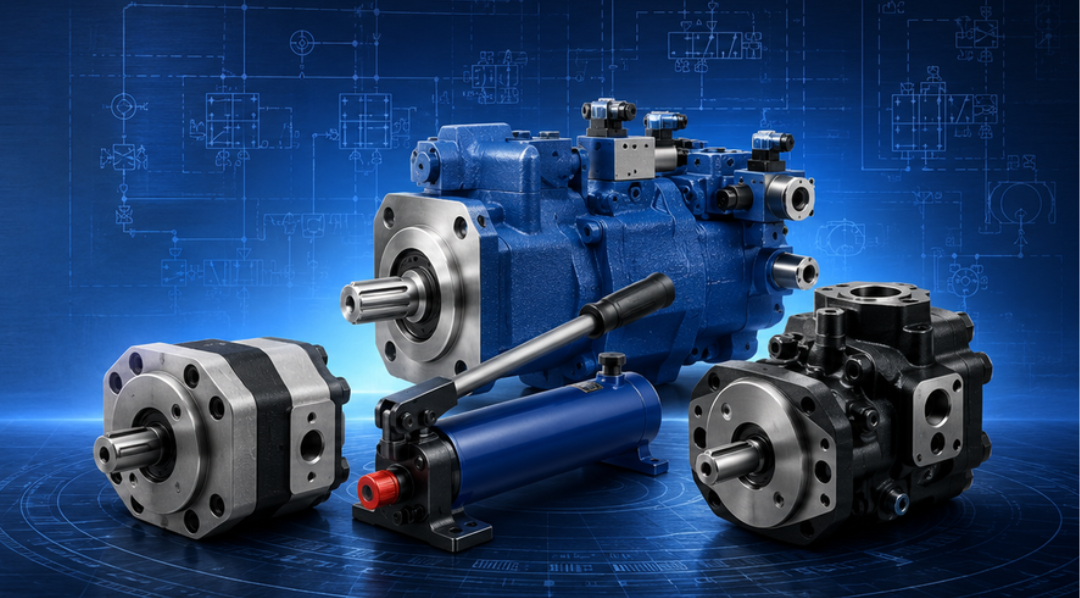
Hydraulic pumps are at the heart of many industrial and mobile hydraulic systems. From excavators and construction equipment to agricultural machinery, mining equipment and manufacturing systems, a properly functioning hydraulic pump is essential for maintaining pressure, flow and overall machine performance.
When a hydraulic pump starts failing, the symptoms may initially seem minor. Unusual noise, reduced pressure, excessive heat or slower operation can quickly develop into serious hydraulic system problems if they are ignored.
Understanding the most common hydraulic pump problems can help operators identify faults early, reduce equipment downtime and determine whether a pump requires maintenance, spare parts, repair or complete replacement.
In this guide, we look at 10 common hydraulic pump problems, their possible causes and practical solutions, drawing on what we see every week on our test bench in Ningbo.
At a glance
- A stuck relief valve mimics a worn pump. Check the circuit before condemning the pump.
- Whining that rises with engine speed usually means piston shoes are lifting off the swash plate.
- Weak on one side only on a tandem excavator pump is nearly always the regulator, not the pump.
- Over half of pumps returned for rebuild show contamination, not age, as the root cause.
- Rebuild if the housing is sound. Replace if the housing, shaft or several groups are damaged.
- Always quote the full model code from the nameplate when ordering a replacement.
1. Hydraulic pump not building pressure
One of the most common hydraulic system problems is a hydraulic pump not building pressure.
A hydraulic pump generates flow, while resistance within the hydraulic system creates pressure. If the system cannot maintain the required pressure, equipment may become weak, slow or completely unable to perform its intended function.
Possible causes include:
- Low hydraulic fluid level
- Internal pump wear
- Damaged seals
- Incorrect pressure settings
- Worn pistons or cylinder blocks
- Faulty relief valves
- Internal leakage
- Blocked suction lines
- Contaminated hydraulic oil
Before replacing the pump, inspect the complete hydraulic circuit to ensure another component is not causing the pressure loss. A stuck main relief valve produces exactly the same symptom as a worn pump and costs a fraction of the price to fix.
If internal pump components are excessively worn, replacing the affected hydraulic pump spare parts or installing a replacement hydraulic piston pump may be necessary.
2. Excessive hydraulic pump noise
A healthy hydraulic pump should operate relatively smoothly. Sudden knocking, whining, rattling or grinding sounds often indicate a developing problem.
One common cause of hydraulic pump noise is cavitation. Cavitation occurs when the pump does not receive enough hydraulic fluid at its inlet. Vapour bubbles can form and collapse inside the pump, potentially damaging internal components.
Other causes may include:
- Restricted suction lines
- Clogged hydraulic filters
- Low hydraulic fluid
- Incorrect oil viscosity
- Air entering the system
- Damaged bearings
- Worn internal pump components
Persistent unusual noise should never be ignored because continued operation can accelerate wear. A high-pitched whine that rises with engine speed on a Rexroth A10VSO or Kawasaki K3V is a classic sign that the piston shoes are starting to lift from the swash plate.
3. Hydraulic pump overheating
Excessive heat can significantly reduce the life of a hydraulic system. When hydraulic oil becomes too hot, its viscosity may decrease, lubrication can become less effective and internal components can experience accelerated wear.
Common causes of hydraulic pump overheating include:
- Low hydraulic oil level
- Incorrect hydraulic fluid
- Excessive internal leakage
- Clogged filters
- Restricted oil flow
- Poor cooling
- Worn pump components
- Continuous operation under excessive load
Operators should regularly monitor hydraulic fluid temperature and investigate unexpected increases. Maintaining proper filtration and an effective hydraulic oil cooler is particularly important for heavy-duty hydraulic equipment operating for long periods.
4. Hydraulic pump leaking oil
External hydraulic oil leakage is usually easy to identify, but internal leakage can be more difficult to diagnose.
External leaks may occur around shaft seals, pump housings, connections, hoses, fittings and gaskets. Internal leakage occurs when hydraulic fluid bypasses worn components inside the pump. Excessive internal leakage can cause pressure loss, reduced efficiency and overheating.
A quick check on a piston pump is case-drain flow: if the drain line is returning far more oil than the manufacturer specifies, the rotating group is worn and pressure is bypassing internally. Depending on the condition of the pump, replacing seals or individual hydraulic pump replacement parts may restore performance.
5. Slow or weak hydraulic equipment
If an excavator, agricultural machine or industrial system suddenly becomes slower than normal, the hydraulic pump may be one possible cause.
Symptoms can include:
- Slow cylinder movement
- Weak lifting performance
- Reduced motor speed
- Poor machine response
- Loss of digging or lifting force
Possible causes include insufficient pump flow, internal leakage, worn hydraulic components, contaminated fluid or problems elsewhere in the hydraulic circuit. On tandem excavator pumps, weakness on one side of the machine only almost always points to the regulator on that pump half rather than the pump itself. See our Kawasaki regulator range for K3V and K5V units.
Checking system pressure and flow can help identify whether the hydraulic pump is responsible.
6. Hydraulic pump cavitation
Hydraulic pump cavitation is a serious problem that can shorten pump life. It typically occurs when the pump inlet cannot receive enough fluid.
Possible causes include:
- Blocked suction filters
- Restricted inlet lines
- Low reservoir fluid level
- Excessive pump speed
- Incorrect hydraulic oil viscosity
Cavitation can damage surfaces inside the pump and contribute to premature component failure. Maintaining clean filters, correct oil levels and unrestricted suction lines can significantly reduce the risk.
7. Air entering the hydraulic system
Aeration occurs when air enters the hydraulic fluid. Unlike cavitation, which involves vapour bubbles caused by pressure conditions, aeration generally results from external air entering the hydraulic circuit.
Common sources include loose suction connections, damaged seals, low reservoir levels and leaking hoses. Aerated oil may appear foamy and can cause irregular operation, excessive noise and reduced lubrication. Finding and repairing the source of air entry should be a priority.
8. Contaminated hydraulic oil
Contamination is one of the major causes of premature hydraulic component wear. Hydraulic fluid may become contaminated with dirt, dust, metal particles, water, seal fragments and other foreign material.
These contaminants can damage precision surfaces inside a hydraulic piston pump. Components such as pistons, valve plates, cylinder blocks and bearings operate with extremely small tolerances. Even relatively small contaminants can cause wear over time.
In our experience, more than half of the pumps returned for rebuild show contamination damage as the root cause, not age. Using appropriate hydraulic filters and following recommended oil-change intervals protects the entire hydraulic system.
9. Worn hydraulic pump components
Hydraulic pumps contain several precision components that naturally experience wear during operation. Depending on the pump design, commonly replaced components may include:
- Pistons and piston shoes
- Cylinder blocks
- Valve plates
- Swash plates
- Drive shafts
- Bearings
- Seals and gaskets
- Regulators
When wear becomes excessive, hydraulic efficiency decreases. In many situations, replacing worn hydraulic pump parts can be more economical than replacing the entire pump. We stock repair kits for Rexroth, Kawasaki, Komatsu, Hitachi, Vickers and many other series.
However, severely damaged housings, shafts or multiple internal components may make complete pump replacement the more practical solution.
10. Hydraulic pump producing insufficient flow
Pressure is not the only important measurement in a hydraulic system. The pump must also deliver sufficient flow. Insufficient flow can result in slow machine operation even when pressure appears relatively normal.
Possible causes include:
- Pump wear
- Incorrect pump speed
- Restricted inlet flow
- Internal leakage
- Incorrect displacement settings
- Control system problems
A hydraulic flow test can help technicians determine whether the pump is delivering its expected output. Every pump that leaves our facility is flow-tested and pressure-tested before dispatch, so a new unit arrives with a known baseline.
How to tell if your hydraulic pump is failing
Some common hydraulic pump failure symptoms include unusual pump noise, increasing operating temperature, reduced hydraulic pressure, slow machine operation, oil leakage, excessive vibration, irregular equipment movement, reduced hydraulic flow, frequent seal failures and visible contamination in hydraulic oil.
One symptom does not automatically mean the pump needs replacement. A complete system inspection should be performed before making a diagnosis.
Hydraulic pump repair vs replacement
A common question is whether a failing hydraulic pump should be repaired or replaced.
Repair may be practical when damage is limited to replaceable internal components such as seals, bearings, valve plates, pistons or cylinder blocks.
Replacement may be preferable when:
- The pump has extensive internal damage
- Several major components are worn
- The housing is damaged
- Repair costs approach replacement cost
- The original pump is discontinued
- Equipment downtime must be minimised
Aftermarket hydraulic pumps can also provide an alternative when original equipment components are difficult or expensive to source.
How to choose a replacement hydraulic pump
Selecting the correct replacement hydraulic pump requires more than matching its physical appearance. Important specifications include the manufacturer, pump model, displacement, maximum pressure, rated speed, shaft configuration, rotation direction, mounting dimensions, port configuration, control type and application.
Whenever possible, provide the complete pump model number and machine information when requesting a replacement. Photographs of the pump nameplate can also help identify the correct unit.
Aftermarket hydraulic pumps and replacement parts
Techydro supplies aftermarket hydraulic pumps and hydraulic components for industrial and mobile applications. The range includes replacement solutions for both current and discontinued hydraulic equipment, helping repair shops, equipment operators and distributors source components when OEM parts may be difficult or costly to obtain.
Available product categories include hydraulic pumps, hydraulic motors, hydraulic valves and a wide selection of pump and motor spare parts for various hydraulic systems.
Frequently asked questions
What are the most common signs of hydraulic pump failure?
Common signs include unusual noise, overheating, pressure loss, slow equipment operation, excessive vibration, leakage and reduced hydraulic flow.
Why is my hydraulic pump running but producing no pressure?
Possible causes include low hydraulic fluid, internal leakage, worn pump components, incorrect pressure settings, relief valve problems or restricted oil supply.
What causes a hydraulic pump to overheat?
Overheating can result from incorrect fluid, internal leakage, restricted flow, clogged filters, excessive loads or inadequate cooling.
Can a hydraulic pump be repaired?
Many hydraulic pumps can be repaired by replacing worn internal components. Whether repair is economical depends on the extent of the damage and availability of replacement parts.
When should a hydraulic pump be replaced?
Replacement should be considered when the pump has severe internal damage, repeated failures, unavailable repair components or when repair is no longer economically practical.
Need a replacement pump, motor or repair kit?
Send us the pump model number, a photo of the nameplate and the machine details. We will confirm the correct part and send a quote.
WhatsApp +86 15869517019 Email sa***@**********om.cn